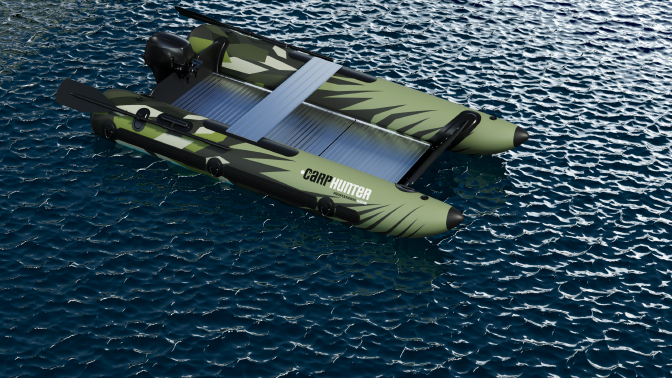
Boating basics for new boat owners
As a new boat owner, once you master the basics of boating, you'll open the door to endless family fun as there are many fun family memories waiting to be created on the water. However, learning the techniques and rules of rowing will not only bring you joy, but also help you navigate emergencies and avoid potential dangers.
It's important to know how to make sure you have the right safety equipment on board, as it can be a lifesaver. Mastering the basic rules of navigation is also essential, allowing you to stay away from obstacles while sailing and keep a safe distance from other vessels.
Also, it's helpful to get some advice and startup tips. Listen to their advice from the professionals on board or from experienced boat owners who can provide you with valuable experience on how to start and dock your vessel smoothly.
After learning these knowledge and tips, you will be able to create great family memories on the water and enjoy boating to the fullest.
Boating basics for first-time buyers
Owning our own boat is a rewarding experience that gives us many new skills and quality time spent outdoors with our family. Before we put a brand new boat into the water for the first time, there are some important things we need to do, let's take a look at the details.
♦ Boats can be made of different materials, such as wood, aluminum alloy, fiberglass, etc. Each material has its advantages and disadvantages, and the right material needs to be selected based on the purpose of the voyage, budget and personal preference.
♦ First-time buyers need to understand different types of boats, including leisure boats, sailboats, yachts, etc. Each type of boat has different uses and characteristics, and you need to choose the right vessel according to your needs and interests.
♦ The size of the ship depends on the purpose of the ship and the intended sailing location. First-time buyers need to consider dimensional parameters such as length, width and draft to ensure that the vessel is suitable for their sailing needs.
♦ It is also important to ensure that you have the necessary safety equipment.
As a first-time boat owner, you can learn how to operate a boat safely and responsibly through online and classroom rowing lessons. These courses will help you gain more knowledge and skills that will make you a skilled captain and be able to fully enjoy boating.
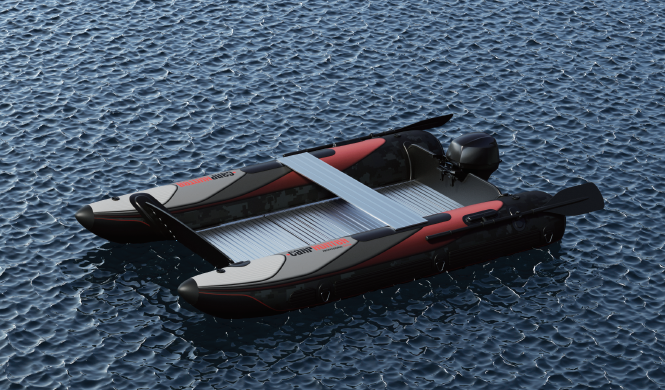
Security device basics
To ensure that you are properly equipped with the appropriate vessel safety gear before your first voyage, a checklist of equipment or vessel safety inspection is essential. Different types of vessels have different safety equipment requirements, which makes it easier to take any guesswork out of it. Following the basics of boat safety equipment can ensure that your vessel is equipped with the right safety gear.
♦ When purchasing a vessel, first-time buyers need to make sure the vessel is equipped with the necessary safety equipment, such as life jackets, nautical lights, life buoys, etc. These devices are very important for the safety of people on board.
♦ Vessels require regular maintenance and servicing to maintain good condition and safety performance. First-time buyers need to know the basics of boat maintenance, including hull cleaning, engine maintenance, equipment inspection, and more.
Basic knowledge of rowing navigation
First-time buyers need to learn some basic boat handling skills, such as helmsmanship skills, navigation rules and navigation. These skills can be learned by taking boat lessons or consulting experienced boat personnel.
♦ Direction navigation: Rowers need to know how to use a compass or other tool to orient their boat. This includes how to use tools such as compasses, drawings, GPS, etc. to determine the direction of rowing.
♦ Geographical knowledge: Boaters need to know the geographic information of the water, such as the geographical location, shape, and characteristics of rivers, lakes, oceans, etc. They also need to know geographically relevant information such as currents, tides, depth, etc., in order to make the right decisions during navigation.
♦ Signs and signage: There are signs and signage in the water that indicate information such as channels, water depth, obstacles, etc. Boaters need to understand the meaning and purpose of these signs and signage and be able to adjust their course based on them.
♦ Weather forecast: Boaters need to know the weather forecast, including wind, wind direction, wave height, and other information. This information is critical to the safety of navigation, and boaters need to adjust course and speed based on weather conditions.
♦ Rules and Laws: Boaters need to be aware of the rules and laws in navigation, including navigation rights, sailing restrictions, sailing speeds, etc. They need to comply with local navigation regulations to ensure that navigation is safe and legal.
In addition to these few basics, you need to learn two terms that help explain navigation rules.
♦ Stand up boat: It is necessary to maintain its course and speed under certain conditions without changing its course or speed.
♦ Give Way Vessel: A vessel that must take the initiative to avoid collision when approaching a standing boat or other vessel. This means that giving way ships must take substantial action as early as possible, such as slowing down, changing course or stopping, to ensure a safe distance from other vessels.